
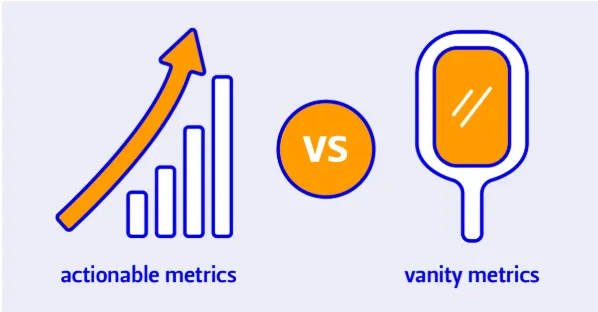
With digital marketing, companies are usually after numbers that are impressive but fail to bring significant outcomes. These are referred to as vanity metrics: think likes, followers, and impressions. Although it might seem that they are overwhelming at the very beginning, they hardly indicate the actual performance of a campaign. To access your social potential and develop long-lasting success. It is essential to train your buyer audience to understand the distinction between vanity metrics and quality metrics, the numbers that actually count.
Also Read: Why Fusion Cuisine Is Taking Over the Modern Bistro Scene
What Are Vanity Metrics?
Vanity metrics are those numbers that seem impressive at face of it, but may not be indicative of the actual business development or any significant interaction. They can be total followers, likes, or views that do not result in conversions and interactions. Where they can improve confidence and social evidence, they generally have little actionable value. Success could mean anything by the metric. So, in order to break the business through for the long run, turn to outcome metrics like conversions, retention, and engagement.
What Are Quality Metrics?
Quality metrics are performance indicators that detail real involvement and value in the long run, as opposed to superficial ones. They are the retention rate, comments, shares, saves, and click-through rates that show the level of attachment by people to your content. In contrast to vanity metrics, quality metrics create an emphasis on actual audience interest and loyalty. Following them will allow you to realize what really appeals to your followers. Investing in quality metrics, you cultivate sustainable growth and increased trust in the community.
Why the Difference Matters to Your Buyers
Your consumer market, particularly B2B customers, must know how their spending in digital marketing will affect their values that are measurable. In case they merely look at vanity metrics, they run the risk of investing in strategies that do not pay off. By being capable of assisting them in differentiating between what appears appealing and what functions well, they are capable of making smarter decisions.
Educating Your Buyer Audience
Here’s how you can educate your audience on the value of quality metrics:
Start With Awareness
Begin with identifying the pitfalls of vanity metrics, followed by real-life examples and case studies in which huge followers or likes did not translate to sales and conversions. Should not be used as decision-making tools but as feel-good metrics.
Demonstrate the Power of Quality Metrics
Demonstrate the relationship between quality metrics and the goals of the business. As an illustration, how can the customer journey be tracked and optimized on conversion data to achieve twice the ROI? Publish share dashboards or analytics reports that clearly illustrate the effect of quality-based campaigns.
Use Plain Language
When illustrating metrics, do not use jargon. Categorize your learning materials into every level of proficiency. As an example, do not say CTR; say how many people clicked your link.
Offer Workshops or Webinars
Interactive meetings allow you to walk your buyers through actual analytics data, campaign data, and A/B testing sample data. Take advantage of these opportunities and show how focusing on the appropriate metrics would help you unlock your social potential and add real value to their brand.
Create Visual Content
The use of infographics, comparison tables, and short videos that separate vanity and quality metrics can go far in the simplification of the message. The visual storytelling simplifies the process of understanding complex data concepts for the buyers.
Share Success Stories
Highlight past clients or campaigns that focused on quality metrics and saw measurable success. Include testimonials, ROI percentages, and growth figures. Stories resonate and can shift perspectives faster than raw data.
Help Your Buyers Unlock Their Social Potential
Your audience will know what actually drives the needle, and thus, they can concentrate their efforts and their budgets on strategies that are effective. When you teach them the distinction between vanity and quality metrics, you are not only offering them a service, you are also making yourself a reliable consultant.
It is time to unlock your social potential by going beyond the superficial statistics and accepting data that brings actual outcomes. Once you and your customers focus on quality and not quantity, each side will be a winner.
