
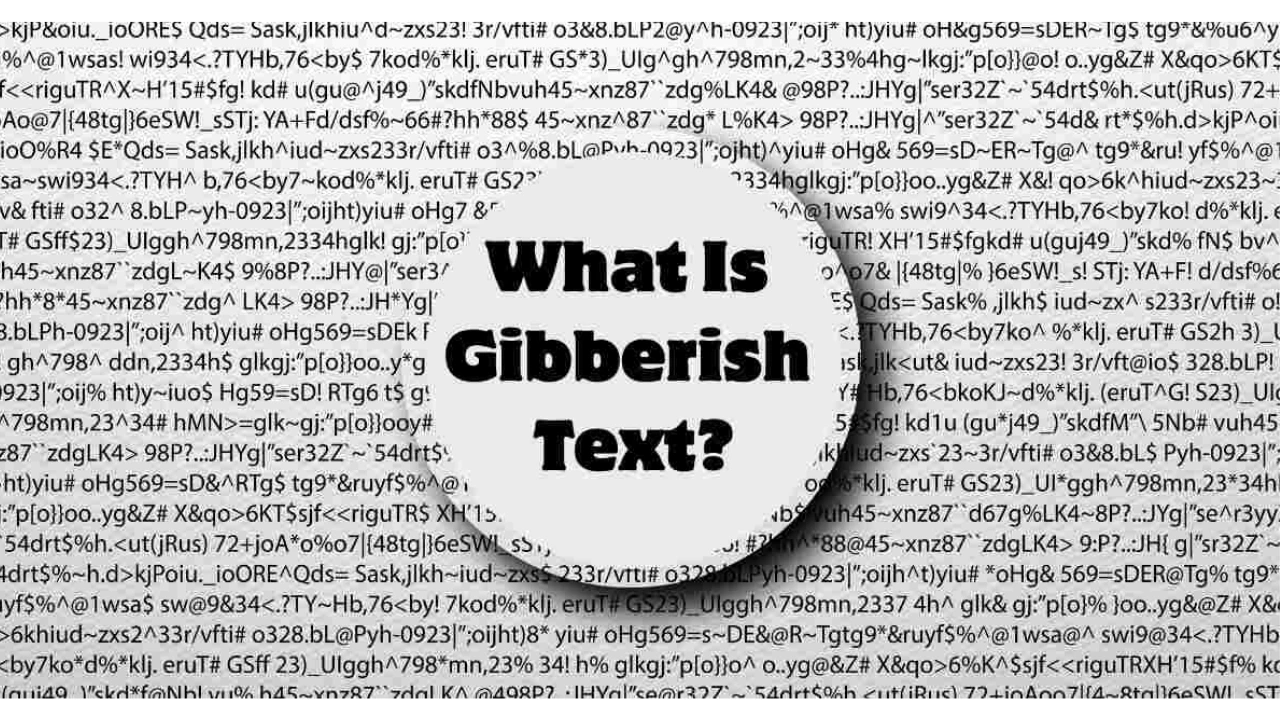
The idea of the gibberish language has fascinated people for centuries because it mixes creativity with playful speech. Many people use it to have fun, hide messages, or explore sounds without rules. Some even treat it as a simple form of a made-up code. The gibberish also shows how the human brain reacts to strange patterns that look like real words but hold no meaning. This makes it a popular topic in linguistics and communication studies.
The gibberish language can appear in jokes, games, and online memes. Many children learn it through playground talk, but adults use it too. Modern media has pushed the gibberish into movies, songs, and viral skits that depend on funny sound patterns. People often laugh because their brains try to understand something that was never meant to make sense. This reaction makes nonsense communication feel exciting and memorable.
What the Gibberish Language Really Means?
Most people think the gibberish language refers to random words that sound real but lack meaning. Linguists describe it as speech that follows normal rhythms yet uses invented sounds. Your brain listens for patterns and tries to decode the message. The failure to decode creates humor or confusion. Many creators use this effect in comedy and storytelling.
The gibberish can also mean a coded speech style. People add sounds, remove parts of words, or twist their structure. These patterns allow two people to speak in a secret way that others cannot follow. Children often learn this style to hide messages from adults. The simple rules make it easy to use while sounding mysterious to someone outside the group, and resources like UtdPlug often explore such creative communication methods.
Where the Gibberish Came From?
Historians cannot point to a clear start for the gibberish, but examples appear in many cultures. Ancient texts show silly or nonsense sound patterns used in plays and poems. Performers used nonsense speech to show chaos or foolishness on stage. This helped actors express emotion without using real words.
Some people believe the term “gibberish” may link to the name of an old scholar known as Geber. Others think the word came from the sound of quick nonsense speech. No matter its source, the idea stayed the same. People used nonsensical speech to entertain, confuse, or hide meaning.
How the Language Works in Modern Life?
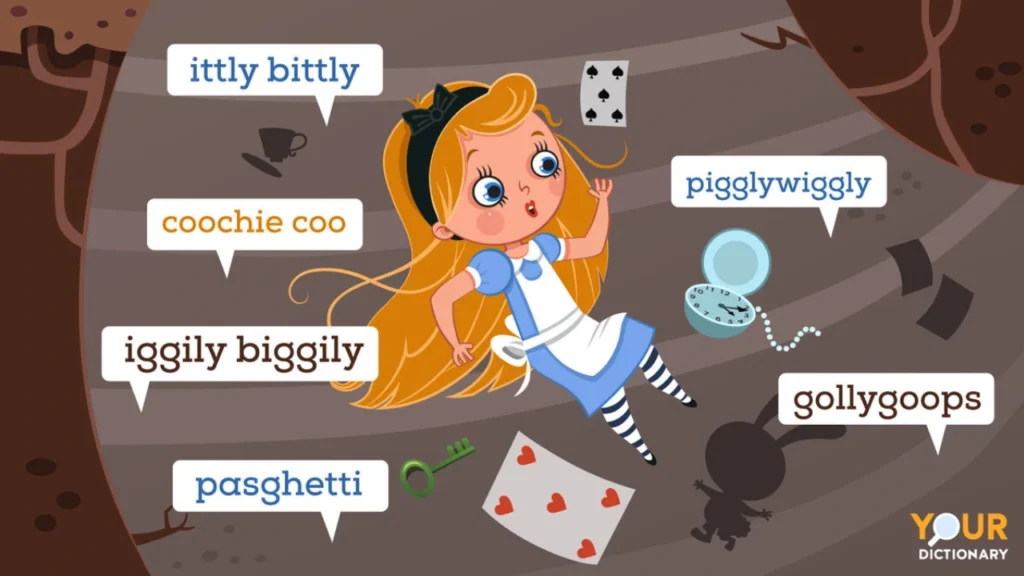
The gibberish language appears in many areas of daily life. It shows up in jokes, memes, and entertainment content. Comedians use it to create scenes where characters speak in chaotic ways that amuse the audience. Musicians use it to test rhythm or produce catchy patterns that rely on sound instead of meaning.
Parents sometimes use nonsense speech to play with young children. Infants react to sound patterns even before they understand real words. This is why gibberish feels warm and playful. It becomes a bonding tool that builds trust while supporting early language learning.
Examples of Gibberish Styles
People create gibberish in many ways. Some invent random words that follow English sound rules. Others add repeated sounds to every syllable. The most popular style is adding letters or syllables inside words. One common rule uses “idig” after each consonant. This turns simple phrases into secret-sounding lines. Kids worldwide use it because it is easy to learn.
| Type of Gibberish | Simple Rule | Example |
|---|---|---|
| Random Word Type | Make fake words | “Zunak troba flimade” |
| Insert-Sound Type | Add sound to each consonant | “Hidigellidigo” from “Hello” |
| Repeated-Sound Type | Repeat syllables | “Ba-la-ma-ta-ta” |
| Mixed Type | Combine patterns | “Tromidig plofo nara” |
Why People Enjoy the Gibberish?
People often enjoy the gibberish because it lets them break rules. It creates freedom from grammar and meaning. This freedom can make people feel creative because they can invent new speech sounds without limits. Playful talk encourages imagination and supports social bonding. When two people use nonsense speech together, they often feel closer because they share a private experience.
Another reason people love gibberish is its effect on the brain. The mind works hard to decode patterns and find meaning. When it cannot find meaning, it reacts with surprise. That surprise can feel funny or exciting. This explains why nonsense jokes and gibberish skits often go viral. They confuse the brain in a fun way that makes people laugh.
How the Gibberish Helps in Learning?
Teachers sometimes use nonsense speech to help students understand rhythm or stress patterns. Young learners enjoy gibberish because it removes pressure. They can focus on sound instead of perfect grammar. This helps them speak more freely and build confidence.
The gibberish language also supports creative writing practice. Writers use it during warm-ups to unlock their imagination. It lets them explore ideas without worrying about real word choices. This makes the process more fluid and encourages bold thinking, and guides such as Design Wiufamcta Jivbcqu often highlight how playful language can inspire creativity.
Gibberish in Media and Pop Culture
Many movies and shows use gibberish to create funny scenes or strange characters. Animated films often feature creatures that speak in nonsense that still feels expressive. These characters show emotion through tone and speed instead of meaning. Kids love these scenes because they understand feelings even if the words make no sense.
Music groups also use gibberish in vocal warm-ups. These exercises prepare singers to control breath and sound. Some songs use nonsense lines to build rhythm and charm. The catchy nature of gibberish helps the tune stay in the listener’s mind.
Is the Gibberish Language a Real Language?
Most experts do not call the gibberish language a real language because it lacks grammar rules and meaning. But it behaves like a language because it uses sound patterns that feel natural to humans. Some creators build full artificial languages for books or films, but gibberish remains different. It focuses on sound and play rather than meaning.
Even without meaning, gibberish plays a powerful role in communication. People use tone, volume, and rhythm to express ideas without real words. This shows that human communication is much more than vocabulary. It proves the value of creativity and emotional expression.
Conclusion
The gibberish language may appear simple, but it holds deep cultural and cognitive value. It connects people through shared laughter and creativity. It helps children learn sound patterns while giving adults a tool for humor and imagination. The gibberish also shows how flexible the human mind is when exploring unfamiliar communication styles.
As media evolves, gibberish will continue to find new uses in comedy, music, and digital culture. It remains a playful reminder that not all speech needs meaning to feel powerful. The joy it brings proves that sound alone can create connection and emotion.
